Source Handmade Natural Wooden Basket for Storage, Cooling, and Dining
Explore 30 listings for the handmade natural wooden basket, featuring options in wood and bamboo with varying sizes and weights. Buyers can compare specifications like dimensions, packaging, and customization availability to find the right storage or cooling solution for home, hotel, or restaurant use.
Key considerations
Products List
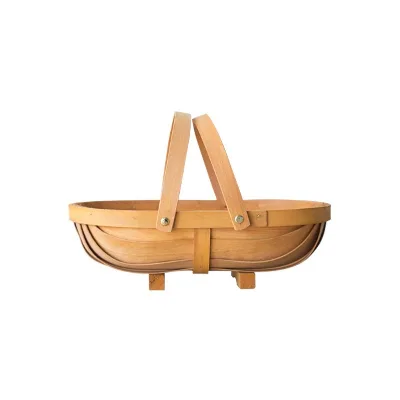
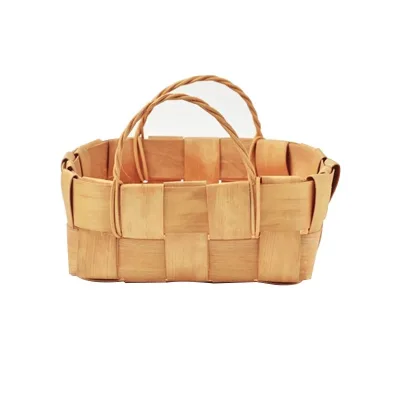
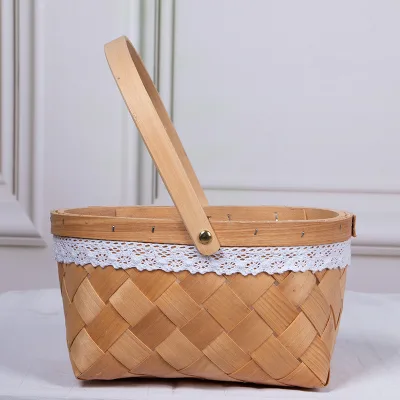


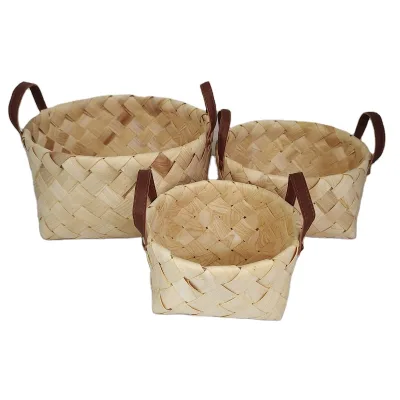
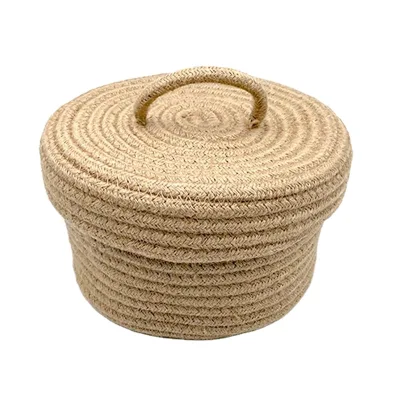
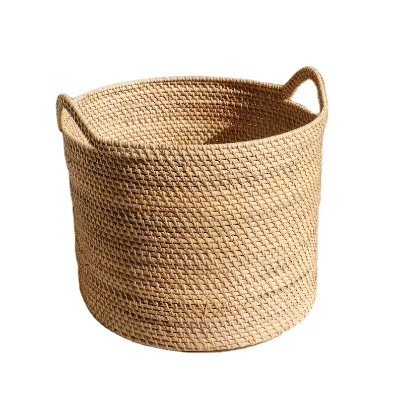
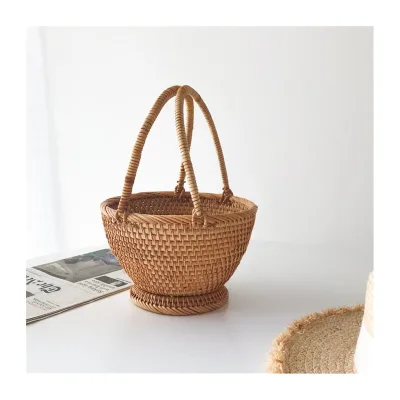


Comprehensive Sourcing Guide
Handmade Natural Wooden Basket Sourcing Guide
Sourcing handmade natural wooden baskets requires a careful balance between aesthetic appeal and functional durability, particularly for buyers in the food service, hospitality, and home storage sectors. The market offers a variety of options, ranging from simple storage solutions to specialized cooling or food-grade containers, each with distinct material properties and manufacturing processes. Buyers must navigate a landscape where "natural" implies specific material origins, such as bamboo or specific wood types, while "handmade" suggests labor-intensive weaving techniques that impact both lead times and unit costs. Understanding these nuances is critical for aligning product selection with end-user expectations and regulatory requirements.
The procurement process involves verifying a wide range of product attributes, including dimensional tolerances, weight specifications, and packaging details, which vary significantly across different suppliers and models. Observed listings indicate a diverse product range with varying minimum order quantities (MOQs) and price points, reflecting the complexity of customizing handmade goods. Buyers need to establish clear criteria for material authenticity, structural integrity, and finish quality to ensure that the final product meets their brand standards. This guide provides a structured approach to evaluating these factors, ensuring that procurement decisions are based on verified data and industry best practices rather than superficial marketing claims.
Product Scope and Observed Listing Signals
The current market for handmade natural wooden baskets encompasses a broad spectrum of applications, including household storage, hotel amenities, and restaurant food service. Listings frequently highlight features such as eco-friendliness, sustainability, and multifunctional design, catering to buyers who prioritize environmentally conscious sourcing. Specific product names like "wood chip basket" or "household storage basket" indicate specialized uses, while general terms suggest versatile utility. The observed presence of colors like orange or honey, along with natural finishes, allows for aesthetic customization, but buyers must confirm that these finishes are food-safe if the baskets are intended for direct contact with consumables.
Observed listing signals reveal significant variability in product specifications, with model numbers such as mijin128, mijin120, and mijin123 indicating distinct variants. Dimensions range from compact sizes like 261921cm to larger formats like 342223cm, with single package sizes varying accordingly. Weight tolerances are often specified, with some products allowing for less than ±1% variance, while others permit up to ±5mm in dimensional tolerance. These variations underscore the importance of precise specification matching, as handmade items may exhibit natural inconsistencies that affect stacking, storage efficiency, and overall aesthetic uniformity in bulk orders.
Technical Specifications to Verify
Dimensional accuracy and weight consistency are critical technical parameters that directly impact logistics and end-use performance. Buyers should verify that the supplier provides clear specifications for single package sizes, such as 35X25X25 cm or 30X20X20 cm, and confirm the associated gross weights, which can range from 0.500 kg to 4.500 kg depending on the model and material density. Tolerance levels, whether expressed as ±1mm for dimensions or ±1% for weight, must be explicitly stated in the purchase agreement to prevent disputes over quality. These metrics are particularly important for automated handling systems or standardized shelving units where precise fit is required.
Material composition and construction techniques also require rigorous verification, as "wooden" or "bamboo" materials can vary in grade, treatment, and durability. Hand-weaving techniques, while aesthetically pleasing, must be assessed for structural integrity, ensuring that the weave is tight enough to contain small items without fraying or breaking under load. Buyers should request samples to evaluate the finish, checking for splinters, rough edges, or uneven coloring that could compromise safety or appearance. Additionally, the presence of customization options for models and standards should be confirmed, as this can affect production timelines and cost structures significantly.
Compliance and Safety Documentation
Food safety and material compliance are paramount when sourcing baskets for restaurant or household use, especially if they are marketed for food storage or cooling. Buyers must ensure that the wooden or bamboo materials are treated with non-toxic finishes and adhesives that meet relevant food-contact regulations. While specific certifications like FSC may be mentioned, buyers should independently verify the validity of such claims and request documentation proving that the wood is sourced from sustainably managed forests and processed without harmful chemicals. This due diligence is essential to mitigate liability and ensure alignment with corporate sustainability goals.
Packaging and labeling requirements also play a crucial role in compliance, particularly for international shipments. The observed use of color boxes, cartons, or palletizing must be evaluated for durability and suitability for the product’s weight and fragility. Buyers should confirm that packaging materials are recyclable or biodegradable if sustainability is a key brand value. Furthermore, clear labeling of product origins, such as Guangxi, China, and model numbers, is necessary for inventory management and traceability. Ensuring that all documentation is accurate and up-to-date helps prevent customs delays and ensures that the product meets the regulatory standards of the destination market.
Cost Drivers and Commercial Terms
The cost of handmade natural wooden baskets is influenced by several factors, including material quality, labor intensity, and customization requirements. Hand-weaving is a labor-intensive process that typically commands a higher price point compared to machine-made alternatives, reflecting the skill and time involved. Minimum order quantities (MOQs) vary widely, from as low as 2 pieces to 1000 pieces, allowing for flexibility but potentially affecting unit pricing. Buyers should negotiate terms that balance volume discounts with the need for quality control, ensuring that lower MOQs do not result in disproportionately high per-unit costs.
Commercial terms such as payment methods, lead times, and shipping arrangements must be clearly defined to avoid unexpected expenses. The observed price range of $0.03 to $68 USD highlights the significant variation in product value, driven by factors like size, material, and finish. Buyers should request detailed quotations that break down costs for materials, labor, packaging, and shipping, allowing for transparent comparison between suppliers. Additionally, understanding the implications of customization, such as logo printing or specific color matching, is crucial for budgeting, as these services often incur additional fees and extend production timelines.
Supplier Qualification and Quality Control
Evaluating supplier qualifications is essential to ensure consistent quality and reliable delivery of handmade wooden baskets. Buyers should assess the supplier’s production capacity, quality control processes, and ability to handle custom orders. Factories with experience in exporting to diverse markets are often better equipped to meet international standards and handle complex logistics. Requesting references or case studies from previous clients can provide insight into the supplier’s reliability and responsiveness. Additionally, verifying the supplier’s adherence to ethical labor practices and environmental standards aligns with broader corporate social responsibility objectives.
Quality control measures should be implemented at multiple stages of production, from raw material inspection to final packaging. Buyers should establish clear acceptance criteria for defects, such as loose weaves, uneven coloring, or dimensional inaccuracies, and communicate these expectations to the supplier. Conducting pre-shipment inspections or hiring third-party inspection services can help identify issues before goods are dispatched, reducing the risk of receiving substandard products. Regular communication and feedback loops with the supplier are also vital for maintaining quality standards and addressing any emerging issues promptly.
Long-Term Procurement Checks
Establishing long-term procurement relationships requires ongoing monitoring of supplier performance and product quality. Buyers should track key performance indicators such as on-time delivery rates, defect rates, and responsiveness to issues. Regular audits or site visits can provide valuable insights into the supplier’s operational practices and identify areas for improvement. Maintaining open lines of communication and fostering a collaborative partnership can lead to better pricing, priority production slots, and improved product innovation over time. This proactive approach helps mitigate risks and ensures a stable supply chain for handmade wooden baskets.
Market trends and consumer preferences evolve, requiring buyers to stay informed about changes in design, material, and sustainability standards. Regularly reviewing product offerings and engaging with suppliers on new developments can help keep the product line competitive and relevant. Additionally, staying updated on regulatory changes in key markets ensures continued compliance and avoids potential disruptions. By integrating these long-term checks into the procurement strategy, buyers can build a resilient and adaptable supply chain that supports their business goals and customer expectations effectively.
FAQs
What materials are used for the handmade natural wooden basket?
The baskets are made from natural wood, with some woven variants crafted from bamboo. Both materials are eco-friendly and sustainable, and the handmade weaving techniques give each basket a natural texture. Colors such as orange, honey, and natural are available depending on the model, and customization of finish or color can be arranged with the supplier.
What sizes are available for these wooden storage baskets?
Listed sizes include 26 by 19 by 21 centimeters and 34 by 22 by 23 centimeters, so the baskets suit both countertop storage and larger household organization. A single-item size option is also offered. Dimensional tolerance is under one millimeter on some models, while others allow up to five millimeters, so confirm exact tolerances before ordering.
Can I customize the basket design, size, or packaging?
Yes, customization is available. Product models, product standards, and packaging can be customized, and packaging options include color boxes, cartons, or palletized carton packing. This makes the baskets suitable for retail, hospitality, and food-service applications. Discuss your requirements with the supplier before placing an order, since customized specifications may affect minimum order quantities and production time.
What is the minimum order quantity for the wooden baskets?
Minimum order quantities vary by model. Some baskets list an MOQ of 100 pieces, others 10 pieces, and certain single-item listings allow ordering as few as 2 units. Because MOQs differ across models and customization options, ask the supplier to confirm the MOQ for the specific size, color, and packaging combination you intend to purchase.
Which uses are these woven wood and bamboo baskets suitable for?
These multifunctional storage baskets are used for food, storage, and cooling applications in homes, hotels, and restaurants. Wood and bamboo are natural materials, so for direct food contact you should confirm food-safety suitability with the supplier for your specific use case. Handmade weaving also makes them popular for bread serving, fruit display, and general household organization.
How are the baskets packed and what do they weigh?
Packing options include color boxes and cartons, with palletized carton packing available for larger orders. Single gross weights vary by model, ranging from about 0.5 kilograms to 4.5 kilograms per piece. Single package sizes are around 30 by 20 by 20 centimeters or 35 by 25 by 25 centimeters depending on the model, so plan shipping volume accordingly.
Where are these handmade wooden baskets produced?
The baskets are produced in Guangxi, China, a region known for woodworking and bamboo weaving. Selling units are single items, and handmade or hand-woven production means output depends on artisan capacity. If you need large volumes, ask suppliers about production capacity and lead times, since hand-weaving schedules can differ from machine-made basket production.
What tolerance standards apply to the basket dimensions and weight?
Dimensional tolerance depends on the model. Some baskets specify a tolerance below plus or minus one millimeter, while other models allow up to plus or minus five millimeters inclusive. Weight tolerance is below plus or minus one percent. Because handmade products vary naturally, confirm the tolerance specification for your chosen model in writing before confirming a bulk order.